Why Global Investors — from Canada to Dubai to Hong Kong — Are Choosing the Bahamas as a Second Home For Foreign Investors
Life is no longer anchored to a single city for a growing number of affluent buyers.
Business may happen in Toronto. Families may spend part of the year in Hong Kong. Friends gather in Dubai. Summers move between Europe and the Caribbean. The modern wealthy lifestyle has become increasingly global — fluid across borders and time zones.
For many international buyers, this shift has increased interest in the Bahamas as a second home for foreign investors— a place that offers lifestyle flexibility, long-term value, and a secure base within easy reach of major global hubs. The Bahamas has become more than a vacation destination; it represents a strategic second home opportunity for those seeking freedom, connectivity, and a truly international way of living.
It is driving a new culture. A generation of investors stopped asking where to live, and started asking where to be. And a particular kind of decision is being made right now, in living rooms in Toronto, in family offices in Dubai, in apartments above Victoria Harbour.
It’s not a relocation.
It is quieter than that — and, in its own way, more permanent.
A primary residence somewhere familiar. A working base somewhere productive. And, increasingly, a third address — chosen, not stumbled into.
Not a vacation home. Not a tax exile. A quieter way to live larger.
A second base.
A place that sits inside the rest of life — usable in February, useful in any market, and entirely yours when the moment calls for it. The investors making this choice tend to share a worldview rather than a country. They have already built what they meant to build. They are now deciding where the next thirty years will actually unfold.
For a growing number of them, the answer is the Bahamas.
There is a moment, usually somewhere between the second visit and the quiet flight home, when the Bahamas begins to feel different.
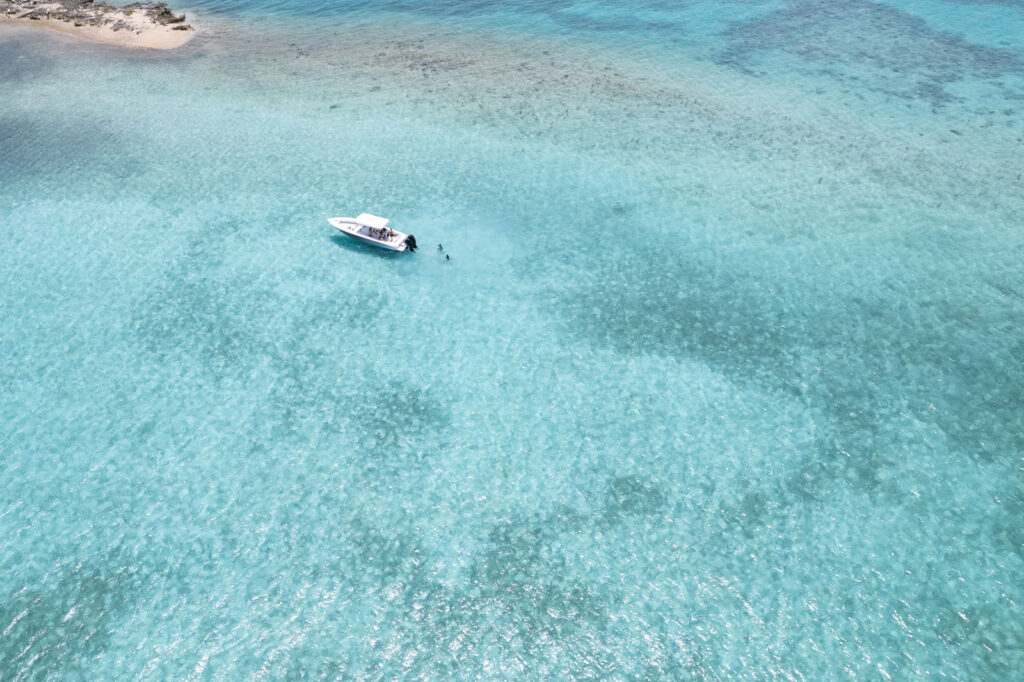
The ocean is still impossibly blue. The mornings still arrive warm and slow. But something shifts beneath the surface of the experience.
You stop treating it like a getaway.
And it starts to feel like part of your life.
The Bahamas has quietly become that place.
The Luxury of Somewhere Different — and Somehow Familiar
Luxury used to mean access.
Today, it means having the best of both worlds.
The Bahamas gives global buyers the ease of island life without asking them to give up the standards they are used to. The beaches are softer, the water is impossibly clear, and the seafood is fresher because it often comes from the ocean only hours before. Days move slower, but life does not feel smaller.
That is the difference.
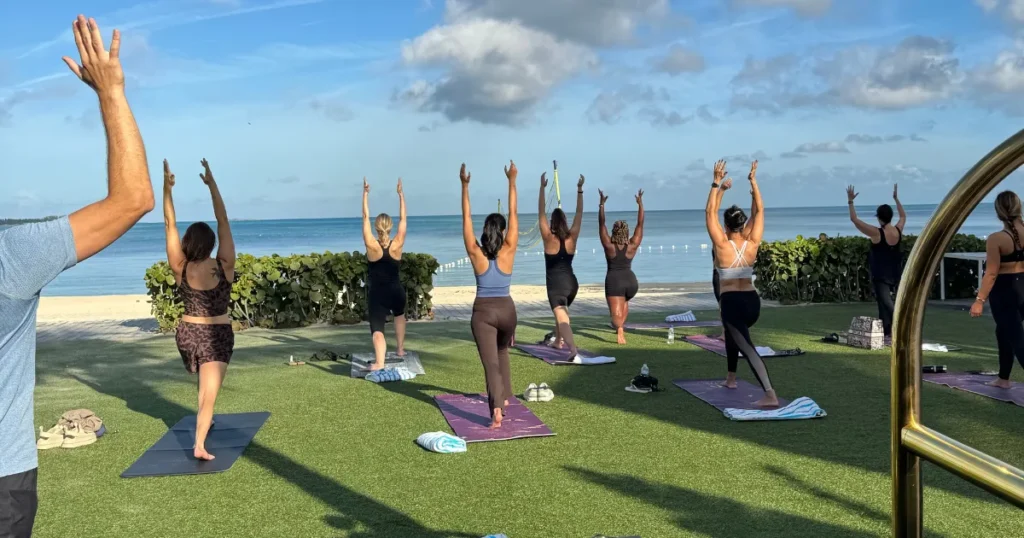
The experience begins before anything is planned. You wake naturally. Coffee stretches longer than expected. The first conversation of the day happens barefoot, somewhere near the water, surrounded by people who understand the same world you come from — entrepreneurs, investors, families, advisers, travellers, global citizens.
It is relaxed, but not remote.
Private, but not isolating.
Refined, but not performative.
Time expands quietly here. Even the simplest routines feel lighter.
Cable Beach is a short flight from Miami. Within easy reach of New York and Toronto. In the same time zone as many of the cities owners work in. The Bahamian dollar is pegged to the U.S. dollar. The legal system is rooted in British common law. Email still arrives. Calls still go through.
The world is exactly as available as you want it to be — and entirely out of reach when you do not.
What is different is everything else.
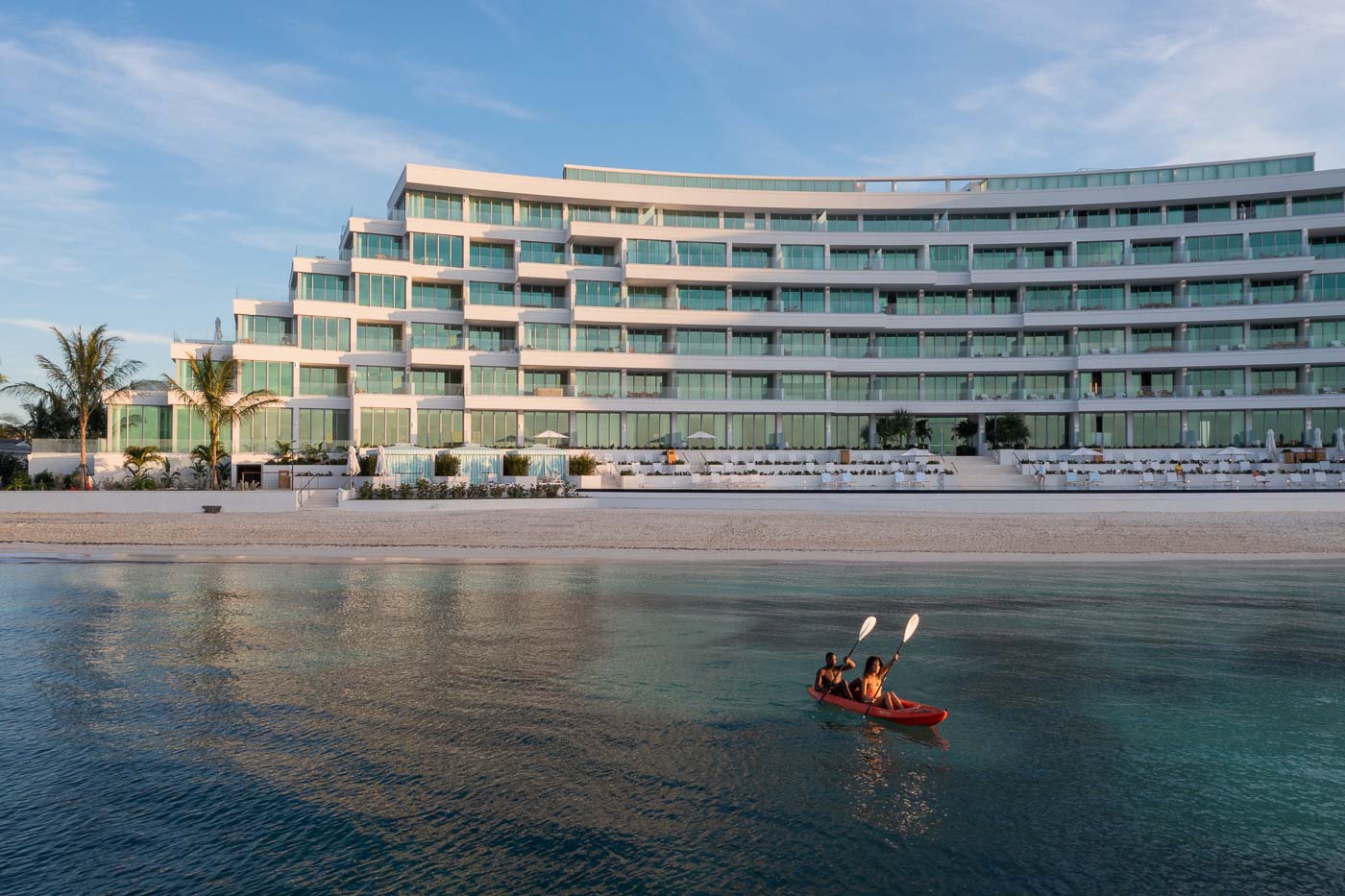
Pre-construction Beachfront Real Estate in Nassau Directly on Cable Beach
The beaches on Cable Beach run wide and luminous, with long stretches of pale sand and water that seems to change colour by the hour. The seafood feels immediate: snapper, grouper, conch, often brought in the same day. Dinner is unhurried. Lunch tends to stretch into the afternoon. Wine lists run longer than they need to.
And over time, the people around you stop feeling like travellers passing through. They become part of the rhythm of the place.
A family from London you see every winter.
The founder from Toronto who keeps a second residence nearby.
A Hong Kong-based investor whose children now think of Nassau as part of their year.
An Emrati family that comes not for a week, but for a season.
Cable Beach has quietly become a kind of unannounced private club — not because there is a velvet rope, but because the people drawn here tend to recognize the same thing.
They are not looking to disappear.
They are looking for a place where life feels lighter, more beautiful, and still entirely within reach.
For Canadian investors: the closest version of further away
Canada’s relationship with the Bahamas is older than most. The financial connection runs deep, the banking presence is well-established, and the residency framework — particularly the Economic Permanent Residency pathway — has been quietly used by Canadian families for years to create flexibility around tax residency, succession, and lifestyle. For many international buyers exploring a Bahamas second home for foreign investors, the country represents more than a tropical escape — it offers a strategic opportunity to create a secure lifestyle base with long-term flexibility.
At this price tier, Bahamian residency moves from a possibility to a planning instrument: an option that families can hold, exercise partially, or pass forward, depending on what the next decade looks like.
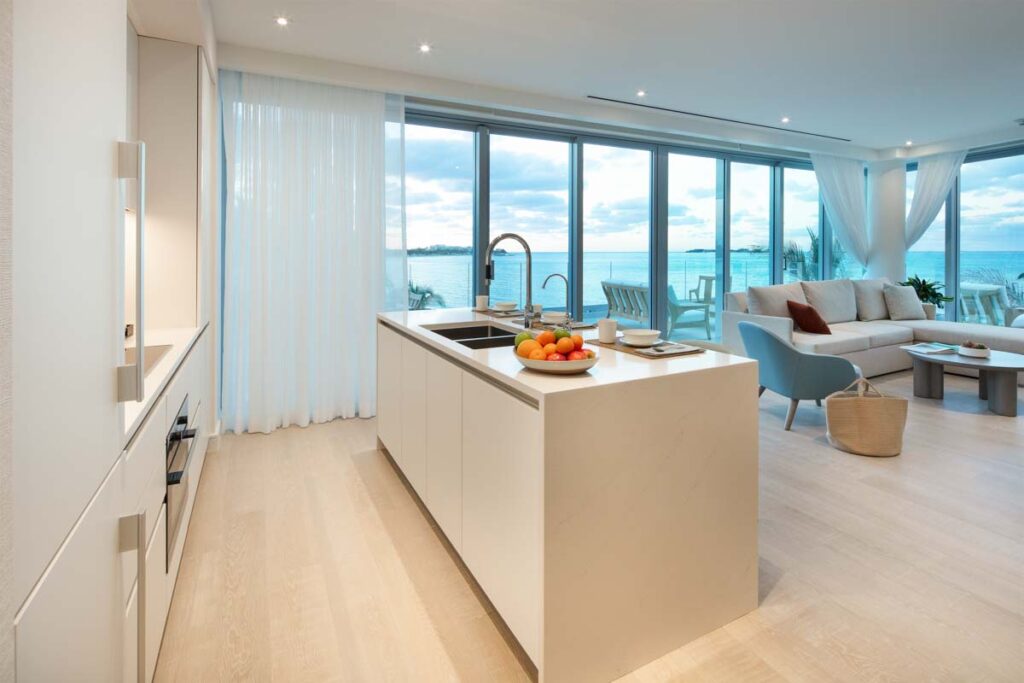
But the appeal isn’t only structural. For Canadian buyers — who currently spend more time on the Goldwynn site than almost all other country buyers — the draw is simpler than that. It is the feeling of arriving, having a coffee on the balcony before the rest of the world is awake, and a short walk from a beach that doesn’t need to be earned.
Canadian buyers also tend to find the planning conversation easier than they expected. Their accountants and wealth advisors are, by and large, already familiar with the Bahamas — the jurisdiction has been a recognized part of cross-border planning conversations for decades. The work has largely been done. What remains is the decision.
For Dubai investors: a Western-adjacent base, on neutral ground
For Dubai-based investors, the tax narrative simply isn’t the point. The UAE has its own efficient framework. What the Bahamas offers, instead, is something Dubai cannot: a geographically Western-adjacent foothold, in a stable, English-speaking jurisdiction, with easy access to the United States, Canada, and the United Kingdom.
This is increasingly how the most sophisticated GCC families think about international real estate — not as a swap, but as a portfolio. A property in Dubai. A pied-à-terre in London. A villa in the South of France. And, increasingly, a residence in the Bahamas, deliberately positioned to anchor the family’s presence on the Atlantic side of the world. It is diversification beyond regional concentration, expressed as a place rather than a balance sheet.
It is also, in the most practical sense, where children and grandchildren end up. Universities in the United States and Canada. Careers in New York, Toronto, London. A Bahamas residence makes those decades easier — a familiar point of reconvergence, a place that belongs to the family rather than to a city.
For Hong Kong investors: optionality, gracefully held
Hong Kong investors tend to think in longer arcs. The decisions being made now are not, primarily, reactive. They are about quietly extending the family’s footprint into jurisdictions that operate on different clocks and different rules — and then living comfortably with that optionality, rather than feeling obliged to use it.
For many, a Bahamas second home for foreign investors represents exactly this kind of long-term strategy: a secure, flexible base that supports global mobility, family planning, and lifestyle freedom.
The Bahamas suits this temperament. It is governed by familiar legal principles. The country does not impose income, capital gains, or inheritance tax on residents. It permits foreign ownership without the friction that has crept into other Western markets. And it is, structurally, designed to be held — not flipped, not maximized, but lived in, leased when convenient, and passed on cleanly.
For Hong Kong families, the Bahamas is less a destination than a quiet insurance policy with a view.
Privacy Without Disappearing
Privacy in the Bahamas feels different from privacy in large cities.
It is less about isolation and more about ease. You are not hidden away from the world. You are simply given more space inside it.
That distinction matters to people whose lives are often visible, scheduled, and constantly connected elsewhere.
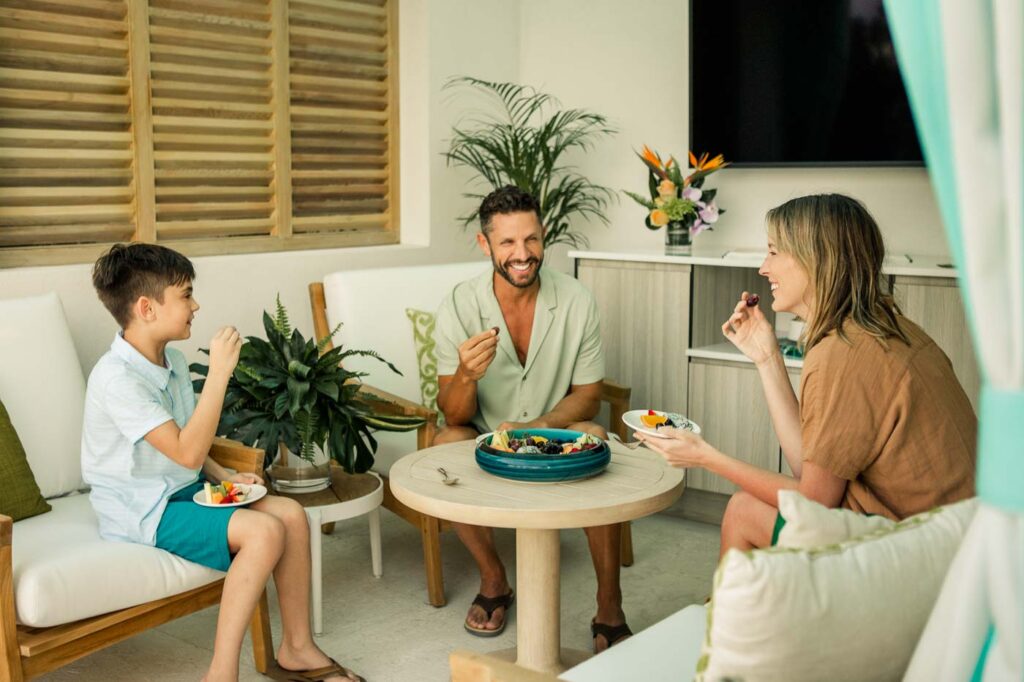
At Goldwynn, that feeling becomes even more pronounced. The experience feels residential rather than transient. The beachfront remains quiet. Meanwhile, the transition between private residence and resort life feels seamless and understated.
You can step into the energy of Cable Beach when you want it.
And step back from it just as easily.
Goldwynn, in this context
Goldwynn is a 38-residence boutique development on Cable Beach, set directly on the beach, delivering in 2026. For international buyers exploring a Bahamas second home for foreign investors, Goldwynn offers a rare combination of beachfront ownership, long-term value, and access to one of the Caribbean’s most established jurisdictions for residency and lifestyle planning.
It is, deliberately, one of the exclusive things being built on the island. A low-density counterpoint to the resort towers around it, with full access to the resort’s amenities and a clear line of separation from them. Penthouses begin at $2.6 million, comfortably above the Bahamas’ Economic Permanent Residency threshold.
More than sixty percent of the residences are already sold. The remaining penthouses or suites or residences are being chosen, increasingly, by exactly the kind of buyer this piece has been describing: someone who has been thinking about a second base for a while, and has finally decided to stop thinking about it.
It is, in the end, a quieter way to live larger.
To request a private audience with one of our team members at Goldwynn, including floor plans, pricing, and Bahamian residency considerations for buyers in your jurisdiction, contact the Goldwynn private client team at info@wynnbahamas.com